中国粮食贸易中虚拟耕地进口的实证分析
2016-10-19 14:09:15付豫洁王锐
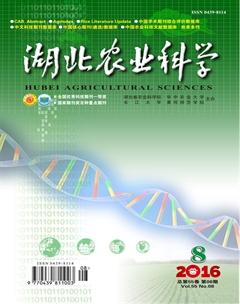
湖北农业科学
2016年8期
关键词:粮食安全
付豫洁 王锐


摘要:基于2001—2014年的年度数据,通过多元线性回归模型,在国际环境和国内环境的大背景下,对中国粮食贸易中虚拟耕地进口量的影响因素进行实证分析。研究发现,人口对中国粮食虚拟耕地净进口量的影响最为显著;全球对中国粮食的需求量及中国谷物单产对粮食虚拟耕地净进口量的影响显著;中国国内生产总值对粮食虚拟耕地净进口量的影响较为显著;全球谷物平均单产、中国有效灌溉面积对粮食虚拟耕地净进口量的影响不显著。在此基础上,提出了利用耕地资源的相应措施,以确保中国的粮食安全。
关键词:粮食贸易;进口;虚拟耕地;粮食安全
中图分类号:F323.2 文献标识码:A 文章编号:0439-8114(2016)08-2152-06
DOI:10.14088/j.cnki.issn0439-8114.2016.08.060
Abstract: Based on the annual data from 2001 to 2014, through multiple linear regression model, and in the context of international and domestic environment, the analysis on the influence factors of virtual farmland imports in grain trade of China was conducted. The results showed that population have the most significant impact on China's net imports of grain virtual farmland; the global demand for Chinese food, and the cereal grain yields of China have significant impacts on Chinas net imports of grain virtual farmland; China's GDP have less important impact on the net import of grain virtual farmland; the global average grain yields and the effective irrigation area have no significant effects. On this basis, the corresponding measures on how to make use of arable land resources to ensure food security of China were put forward.
Key words: grain trade; import; virtual land; food security
1996年,FAO将粮食安全定义为“只有当所有人在任何时候都能在物质上和经济上获得足够、安全、富有营养的食物来满足其积极健康的膳食需要及食物喜好時,才实现了粮食安全”[1]。从此定义可以看出,要想实现粮食安全,不仅有对粮食数量的要求,也有对粮食质量的要求。然而,随着中国经济的快速发展,工业化和城镇化的步伐快速推进,耕地的非农化日益增多,再加上退耕还林等生态改进措施的实施,中国耕地的数量日益减少。同时,经济的快速发展也带来了环境的污染和生态平衡的破坏,耕地质量大大下降,从而也影响了中国部分粮食的质量。而在中国的粮食贸易中,虚拟耕地进口可以很好地缓解中国耕地资源紧张的问题。……
登录APP查看全文
猜你喜欢
卷宗(2016年10期)2017-01-21 18:41:25
卷宗(2016年10期)2017-01-21 18:40:53
环球人文地理·评论版(2016年8期)2017-01-19 00:19:16
现代商贸工业(2016年26期)2016-12-26 12:36:43
吉林农业·下半月(2016年12期)2016-12-26 09:41:23
人民论坛(2016年17期)2016-07-15 10:40:31
人民论坛(2016年12期)2016-05-04 11:31:13
商(2016年6期)2016-04-20 18:39:31
商(2016年7期)2016-04-20 09:32:00
现代经济信息(2016年3期)2016-03-24 18:24:29