汉语“宗教”一词的语源与文化意涵
2017-01-13 20:10:06释慧开
新世纪图书馆
2016年11期
释慧开
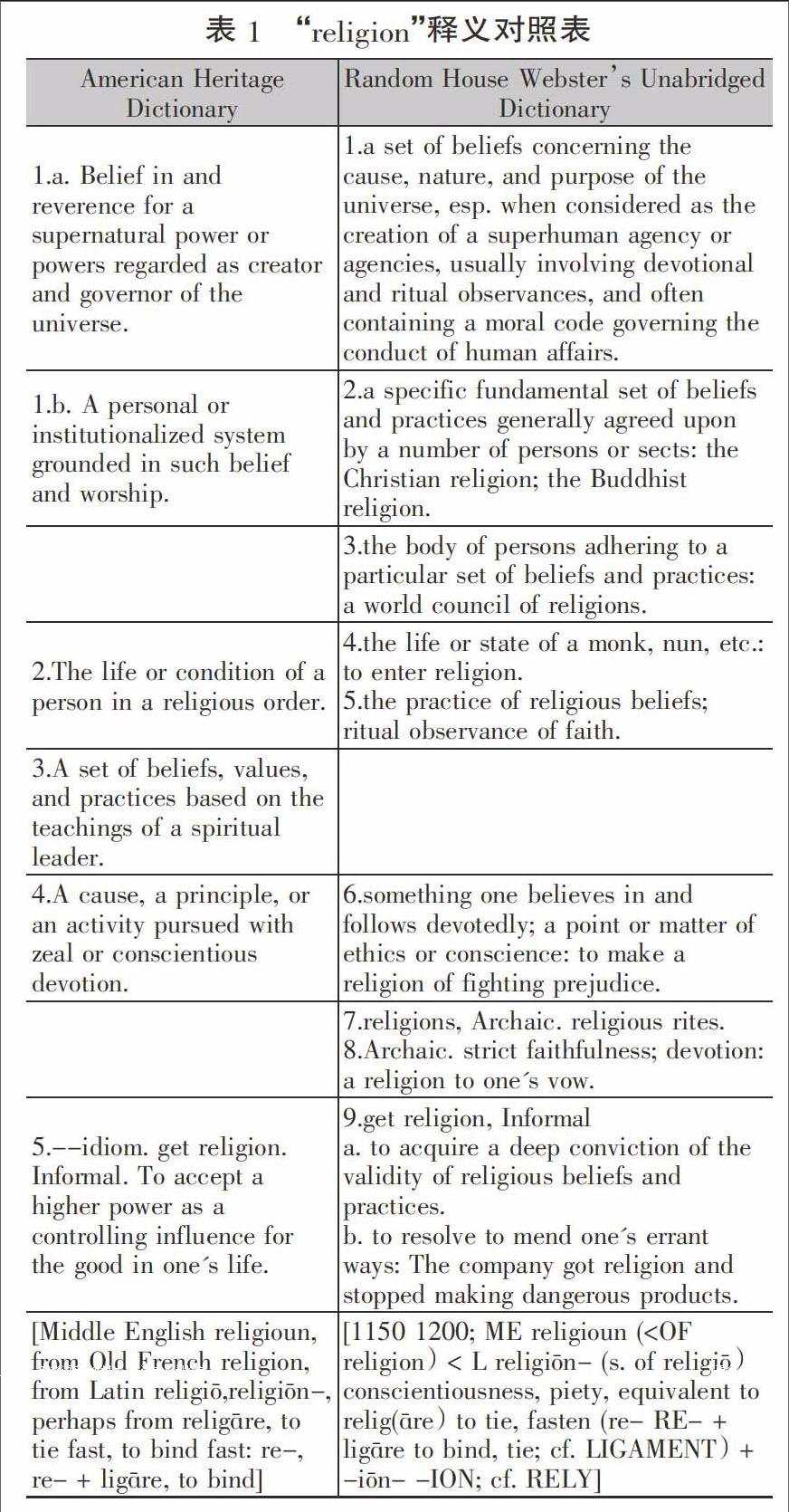
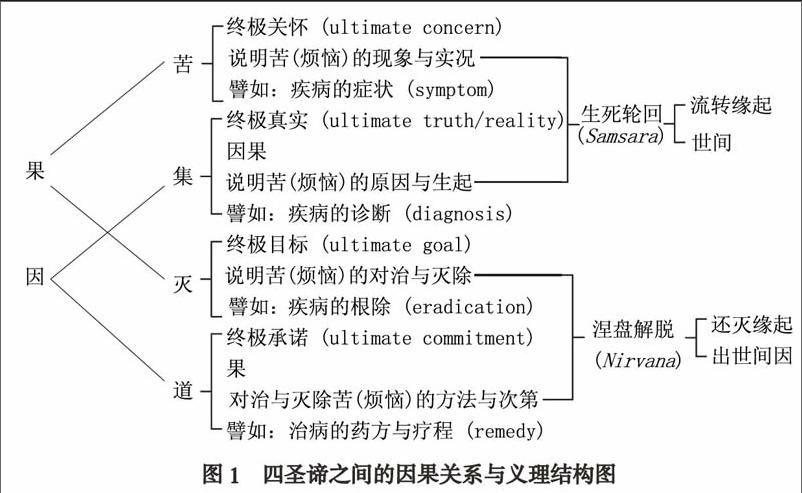
摘 要 论文先就“宗教/religion”的语源及义涵切入,对汉语“宗教”一词与英文“religion”一字的核心概念与观点作一些探源与澄清的功课。再以保罗·田立克(Paul Tillich)所倡言的“终极关怀”概念切入,试论东、西方宗教观之对比与会通,希望能在不同的信仰之间,找到共通的精神与理念,以及共同的难题与挑战,有助于东、西方宗教间的沟通与对话。
关键词 宗教 宗教观 终极关怀
分类号 G02
DOI 10.16810/j.cnki.1672-514X.2016.11.013
Abstract This paper begins with a concise etymological analysis into the textual and contextual implication of both Chinese term “zong-jiao” and English word “religion”, in order to retrace and clarify the basic core concept and perspective of Eastern and Western religions in their own right. Then it addresses the contrast and compatibility between Eastern and Western religious perspectives in terms of the concept of“ultimate concern” formulated by Paul Tillich, and attempts to find out common difficulties and challenges as well as the shared spirit and idea between different faiths, in the hope to enhance the communication and dialogue between Eastern and Western religions.
Keywords Religion. Religious perspective. Ultimate concern.
0 前言
“宗教”一词究竟如何定义与诠释?长久以来,人言言殊,就一般社会大众的朴素概念与认知而言,以为“宗教”只是一种对于天地间的神祇或超自然神秘力量的崇拜与信仰,或者是基于此类崇拜与信仰的一种心理寄托。
中国人还有一种非常普遍的观点,认为大凡宗教不过是劝人为善,因此,一个人信仰何种宗教,基本上无甚差异。绝大多数的民众,可以同时敬拜多尊不同的神明,乃至信奉数种不同的宗教,因而千百年来,中国民间的神道庙宇将各路神明集合供奉于同一殿堂之中,也从未有人觉得有任何不妥之处。职是之故,中国人的宗教文化传统,逐渐形成“三教(儒、道、释)同源”,无分轩轾,乃至“五教(儒、道、释、耶、回)合一”,兼容并蓄,这样的宗教态度,亦为全世界华人宗教观的一大特征。台湾与闽南民间的俗谚有云:“有烧香就有保庇”,即是中国人最为普遍的宗教态度之现实写照。然而,就宗教哲理层面而言,此一朴素的宗教观并不足以彰显世界各大宗教传统的精神内涵与深层义理。……
登录APP查看全文