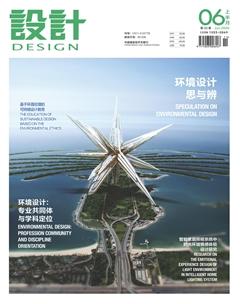
基于服务流程和KAN O模型的盲人购物体验设计研究
2020-06-21 15:26:17胡鸿李正安
设计
2020年11期
胡鸿 李正安


摘要:探索服务设计理论和KANO模型用户需求层次分析在提升盲人购物体验层面的应用流程和设计方法,优化盲人线上购物APP和线下购物服务产品设计的合理性和适用性。在用户访谈的基础上,基于服务设计流程,借助用户旅程图和服务蓝图梳理盲人购物服务要解决的痛点问题,通过KAN0模型用户需求分析,确定盲人线上线下购物服务的需求功能。构建适合盲人使用的线上购物服务APP;设计辅助盲人购物和提升购物体验的语音产品。从服务设计视角,通过服务流程和KANO模型用户需求层次分析,完善和改良了盲人线上购物APP和线下服务产品,解决了盲人购物难和体验差的问题。
关键词:服务设计 盲人 KANO模型 购物体验 语音交互
中图分类号:TB472
文献标识码:A
文章编号:1003-0069(2020)06-0074-04
Abstract: To explore the application process and design method of service deoigntheory and Kano model user demand level analysis in improving blind shoppingexperience level, and optimize the rationality and applicability of blind onlineshopping app and offline shopping service product design On the basis of userinterviews, based on the service design process, with the help of user journey mapand service blueprint to sort out the pain points to be solved ln the blind shoppingservice, and through the user demand analysio of Kano model, determine thedemand function of online and offline shopping service for the blind The onlineshopping service app suitable for the blind was built, and the voice products weredesigned to assist the blind in shopping and improve the shopping experience Fromthe perspective of service design, through the analysis of service process and Kanomodel user demand level, the blind online shopping app and offline service productsare improved, and the problems of blind shopping difficulty and poor experience aresolved
Keywords: Service design Blind people Kano model Shopping experience Voiceinteraction
引言
在全球大约1.62亿视力障碍人群中发展中国家占据80%,中国作为最大的发展中国家视障人口基数远超过其他发展中国家[1]。据全国残疾人研究报告显示我国每年都会新增盲人约45万,低视力人群135万,截至2020年我国预计将有5000余万视力残疾人。满足庞大的视力障碍人群对美好生活追求,关爱弱势群体成为设计的责任。本项目以北京联合大学特殊学院在校大学生作为研究对象,通过访谈研究对象并整理样本数据,借助KANO模型分析当前盲人用户对于自我购物的服务功能需求。采用线上线下相结合的方式设计适合盲人使用的手机购物APP以及构建盲人线下购物服务实践方案。……
登录APP查看全文
猜你喜欢
经济师(2017年4期)2017-07-05 16:13:18
经济师(2017年5期)2017-05-31 17:33:49
价值工程(2017年13期)2017-05-10 21:55:38
科技传播(2016年16期)2017-01-03 22:47:20
人间(2016年28期)2016-11-10 23:21:09
戏剧之家(2016年17期)2016-10-17 12:44:27
商(2016年15期)2016-06-17 18:24:13
商(2016年3期)2016-03-11 12:37:32
软科学(2015年11期)2015-12-15 03:07:40