基于DEA-Malmquist指数的国内沿海主要港口动态效率分析与评价
2021-01-06 22:45:04肖祥鸿宋炳良
上海海事大学学报
2021年4期
肖祥鸿 宋炳良


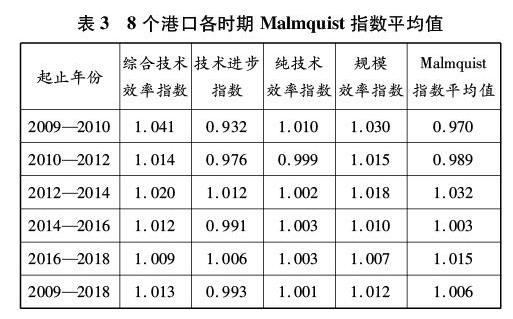

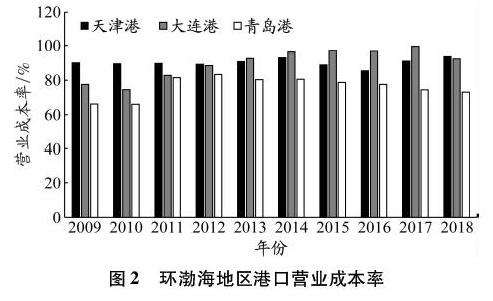
摘要:为提高港口的综合竞争力,运用DEA-Malmquist指数方法,对历年来货物吞吐量排名靠前的国内港口的效率进行定量分析和评价。研究结果表明:尽管这些港口的货物吞吐量在全球名列前茅,但在技术进步、产业结构和经济效益上并不理想,整体港口效率不容乐观。因此,提高管理和决策水平,改进落后的生产措施,进行技术改革和创新,实现港口作业自动化与智能化,整合港口资源,建成有规模效益的绿色港口是当务之急。
关键词: 港口效率; Malmquist指数; 动态效率; 面板数据
中图分类号: F552 文献标志码: A
Abstract: In order to improve the comprehensive competitiveness of ports, the DEA-Malmquist index is used to quantitatively analyze and evaluate the efficiency of domestic ports with top cargo throughput over the years. The results show that, although these ports have the top cargo throughput in the world, they are not ideal in technological progress, industrial structure and economic benefits, and the overall port efficiency is not optimistic. Therefore, it is urgent to improve the level of management and decision-making, improve backward production measures, carry out technological reform and innovation, realize automation and intelligence of port operation, integrate port resources, and build a green port with scale benefits.
Key words: port efficiency; Malmquist index; dynamic efficiency; panel data
0 引 言
隨着经济全球化的发展,港口作为对外交流的重要窗口,既是国内经济发展一个关键节点,也是与国外经贸往来的必经之地。尽管我国港口发展落后于发达国家,但随着国内港口的体制改革及转型升级等一系列措施的实施,港口发展取得了一定的成就。然而,近年来伴随着国际贸易和海运业的萎缩以及国际竞争的加剧,港口综合效率呈下降的趋势。因此,采取怎样的措施才能有效提高港口的综合竞争力,是一个值得思考的问题。特别是怎样来优化港口资源配置、缩减管理成本、提高经营效率和核心竞争力等显得尤为重要。在此背景下,分析和评价港口的实际经营效率和盈利能力,具有现实意义。
为能够有效地分析与评价生产要素比较复杂的港口服务业,运用数据包络分析(data envelopment analysis,DEA)-Malmquist指数对港口的多投入、多产出服务过程进行评价。……
登录APP查看全文