
MR对椎体终板骨软骨炎的诊断价值及临床意义
2021-06-02 15:27:04雒玉成
影像技术
2021年2期
关键词:临床意义
雒玉成
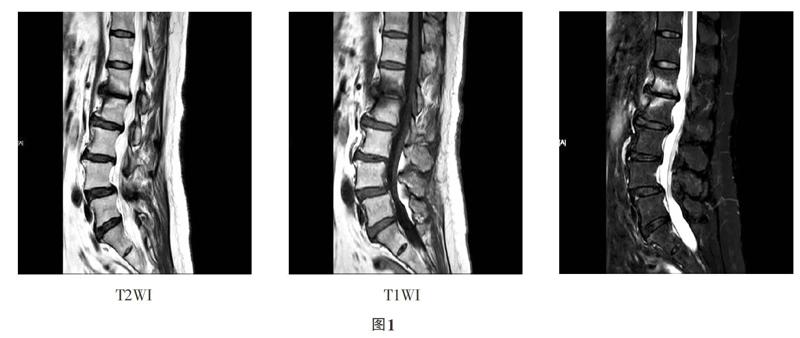
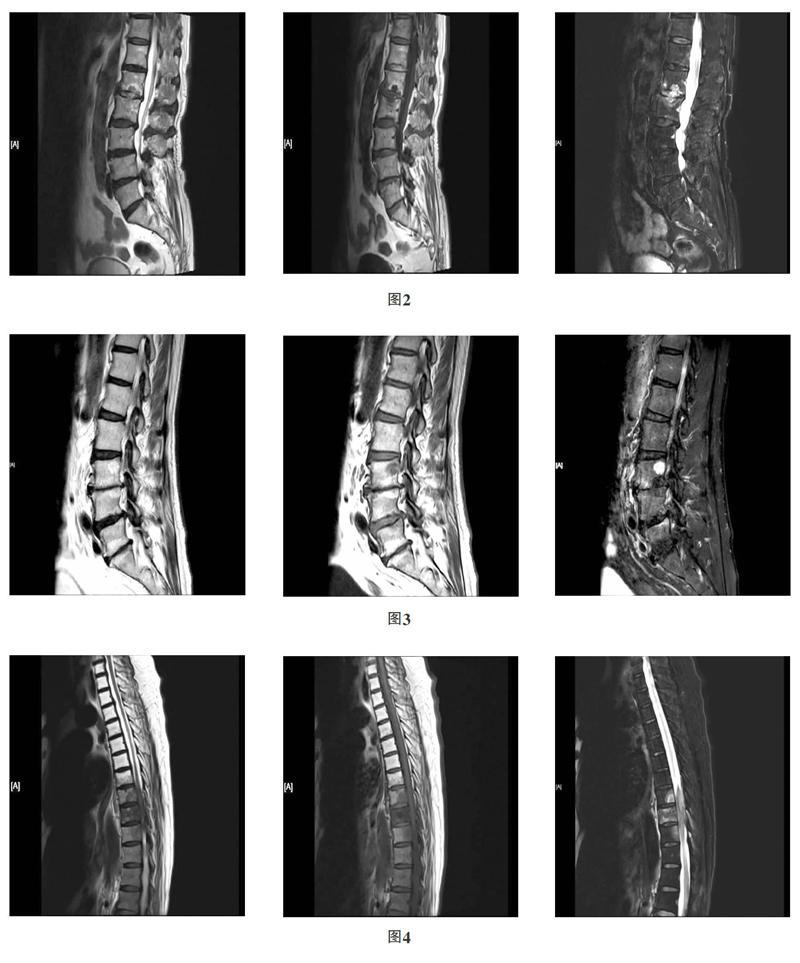
摘要:目的:探讨MR对椎体终板骨软骨炎的诊断价值及临床意义。方法:选取我院2019年12月至2020年12月共114例椎体终板骨软骨炎患者作为研究对象,分析MR在椎体终板骨软骨炎中的诊断价值以及临床特点。结果:所有患者均可在图像中发现不同程度的椎间盘变性或膨出,椎间盘与相邻椎体边缘呈现为斑片状、条片状异常信号灶。T1WI序列显示为低信号或高信号,T2WI序列显示为高信号或低信号。114例患者中,累及单面椎体终板88例,占比77.19%,累及双面椎体终板26例,占比22.81%。结论:MR在椎体终板骨软骨炎的诊断中具有较高的应用价值,能够有效反映出患者的病变情况,为临床治疗方案的制定提供参考,值得推广应用。
关键词:MR;椎体终板骨软骨炎;诊断价值;临床意义
中图分类号:R681.52文献标识码:BDOI:10?郾3969/j.issn.1001-0270.2021.02.12
The Diagnostic Value and Clinical Significance of MR in Vertebral Endplate Osteochondritis
LUO Yu-Cheng
(Beijing Shunyi District Hospital, Beijing 101300, China)
Abstract: Objective: To explore the diagnostic value and clinical significance of MR for osteochondrosis of vertebral endplate. Methods: A total of 114 patients with vertebral endplate osteochondritis in our hospital from December 2019 to December 2020 were selected as the research objects to analyze the diagnostic value and clinical characteristics of MR in vertebral endplate osteochondrotis. Results: In all patients, different degrees of intervertebral disc degeneration or bulge could be found in the images, and the intervertebral disc and the edge of the adjacent vertebral body presented patchy and strip-like abnormal signal foci. T1WI sequences are displayed as low signal or high signal, and T2WI sequences as high signal or low signal. Among the 114 patients, 88 cases involved unilateral vertebral endplates, accounting for 77.19%, and 26 cases involved bilateral vertebral endplates, accounting for 22.81%. Conclusion: MR has high application value in the diagnosis of vertebral body endplate osteochondrotis. It can effectively reflect the patient's pathological changes, provide a reference for the formulation of clinical treatment plans, and is worthy of popularization and application.
Key words: MR; vertebral endplate osteochondritis; diagnostic value; clinical significance
椎體终板骨软骨炎(end-plate osteochondritis)又被称作椎体终板炎,属于无菌性炎症,可发生于各处软骨,其中脊椎是高发部位之一[1]。该疾病的发病与多种因素有关,例如外伤、营养不良等,多发生于中老年患者,临床症状主要表现为局部疼痛。X线片和CT是传统临床诊断椎体终板骨软骨炎的主要方式,X线片具有一定的穿透作用,但在密度较低的组织方面,如椎间盘、椎体终板软骨等,检出率较低[2]。CT虽然组织密度分辨率较高,但难以显示出椎间盘内部结构、椎体软骨终板等,在诊断方面也存在一定的局限性[3]。而MR则具有多方位、多参数的成像特点,对不同类型的终板炎均具有较高的检出率[4]。本次研究分析了MR在椎体终板骨软骨炎中的诊断价值,具体报告如下。……
登录APP查看全文
猜你喜欢
中国实用医药(2016年27期)2016-11-30 12:17:33
中国实用医药(2016年27期)2016-11-30 10:43:01
东方教育(2016年16期)2016-11-25 03:45:39
中国实用医药(2016年24期)2016-10-17 06:21:50
中国实用医药(2016年21期)2016-08-19 12:53:15
中国实用医药(2016年20期)2016-08-11 22:56:51
中国实用医药(2016年20期)2016-08-11 21:24:30
中国实用医药(2016年18期)2016-08-03 19:07:15
中国实用医药(2016年9期)2016-05-17 14:19:17
中国实用医药(2016年6期)2016-03-17 19:48:40
