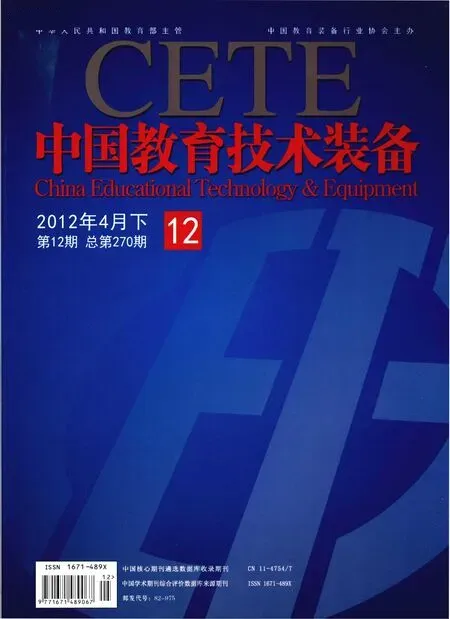
基于情感因素下幼师思想政治课的探索与思考
2012-04-29 00:44:03曹利群
中国教育技术装备
2012年12期
关键词:思想政治
曹利群
摘要 教育的根本意义在于最大限度地发挥情感的积极作用,让人在最佳状态下理解和掌握知识,而思想政治课又是一门典型的包含情感因素的学科,因此要使思想政治教学更具针对性和实效性,就必须营造一个情感沟通的平台。基于当前思想政治课的教学现状,对思想政治课中介入情感因素进行探索与思考,旨在着力提高思想政治教育的针对性和有效性,达到良好的教学效果。
关键词 思想政治;情感因素;学校环境
中图分类号:G651文献标识码:A文章编号:1671-489X(2012)12-0054-03
Exploration and Thinking about Ideological and Political Lesson of Kindergarten Teachers based on Emotional Factors//Cao Liqun
Abstract Basic significance of education lies in maximizing the positive role of the emotion and making people understand and master knowledge in the best state. The ideological and political lesson is such a typical subject including emotional factors. In order to make the ideological and political education more pertinence and effective, an emotional communication platform must be built. Based on the current teaching situations of the ideological and political lesson, this paper will explore and think about the emotional factors existed in the ideological and political lesson to enhance the pertinence and effectiveness of the ideological and political education and achieve good teaching results.
Key words ideological and political; emotional factors; school environment
Authors address Xuzhou Kindergarten Teachers College, Xuzhou, Jiangsu, China 221004
情感因素是人对客观事物的一种态度,是人对客观事物是否符合主观需要的内心体验,包括爱好、快乐、嫌恶、愤怒、恐惧和悲哀6种基本情绪,3种表现方式(激情、心境、热情),它有积极与消极之分。积极情感如自信、自尊、移情、动机、好奇、愉悦、投入等能够创造有利于学习的心理状态,有助于发挥学习者的潜能;消极情感如焦虑、紧张、腼腆、怀疑、沮丧、失望、厌恶等,不利于学习者的发挥。在课堂教学中由于学生是学习的主体,学生的情感必然成为影响学习的一个重要的因素。苏霍姆林斯基曾把学生的情感比做土地,把学生的智力比做种子,他认为只关心种子而忘了耕地等于洒下种子喂麻雀。在当前学校环境日益多样和复杂多变的形势下,学生思想活动的独立性、选择性、多变性和差异性不断增强。传统的思想政治教育方法、手段、机制已难以适应当前大学生思想政治教育要求,迫切需要重新认识大学生思想变化和行为活动的规律,着力提高思想政治教育的针对性和有效性,是目前作为教育工作者要研究的一个重要课题。……
登录APP查看全文
猜你喜欢
现代企业文化·理论版(2016年14期)2016-10-21 10:36:15
现代企业文化·理论版(2016年14期)2016-10-21 10:04:58
现代企业文化·理论版(2016年14期)2016-10-21 10:00:58
现代企业文化·理论版(2016年14期)2016-10-21 09:45:20
现代企业文化·理论版(2016年14期)2016-10-21 09:20:37
现代企业文化·理论版(2016年14期)2016-10-21 09:14:12
现代经济信息(2016年19期)2016-10-20 16:36:30
科学与财富(2016年28期)2016-10-14 22:58:31
科学与财富(2016年28期)2016-10-14 06:02:47
科学与财富(2016年28期)2016-10-14 05:59:11