
高校图书馆微服务模式初探
2016-10-21 09:26:46宗一君郭晶
图书与情报
2016年4期
宗一君 郭晶
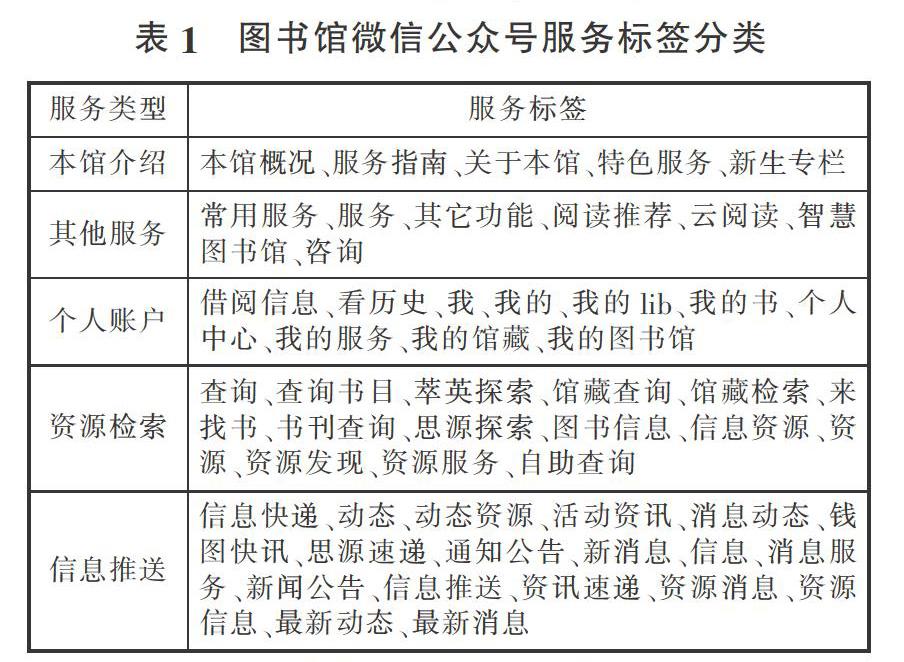
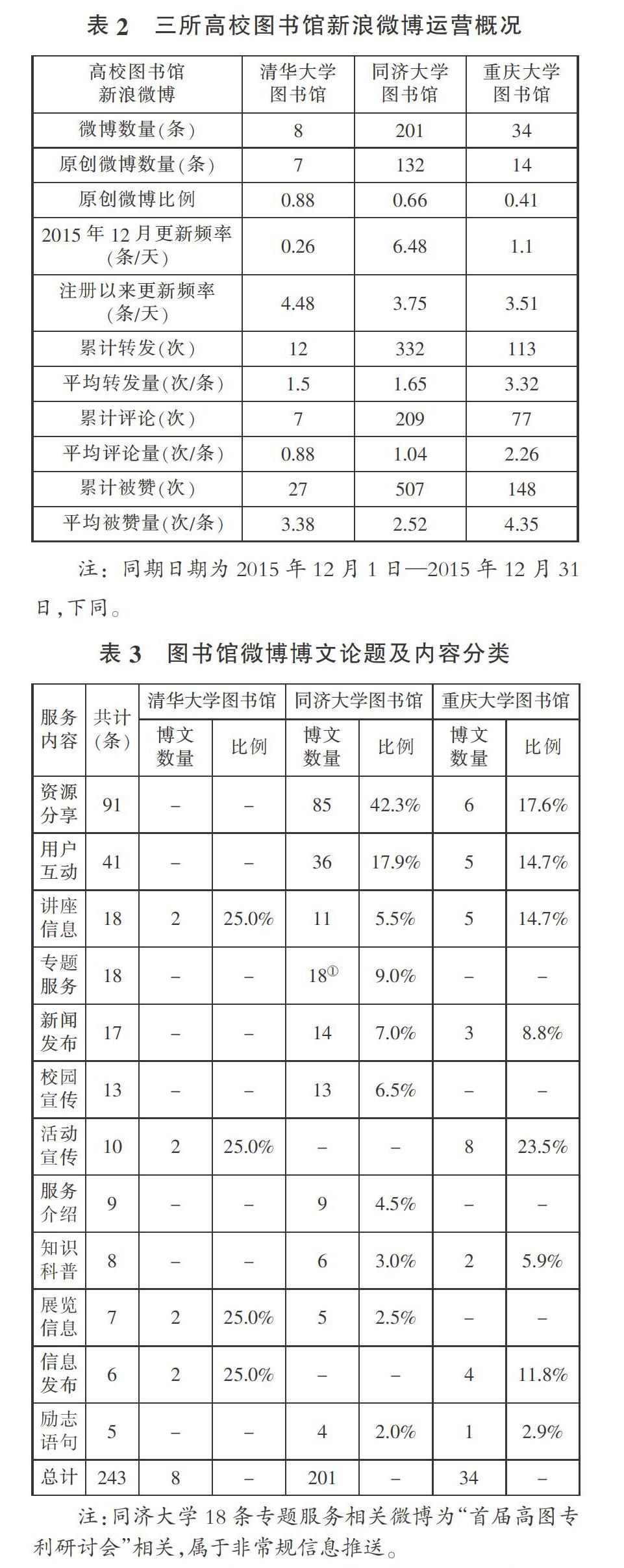

摘 要:文章从我国985高校图书馆目前的微服务开展状况入手,选取了三所代表性高校图书馆,使用描述性分析的方法,通过记录其一个月内的信息与服务推送情况,结合新媒体指数平台提供的传播指数,对比研究图书馆微博服务、微信服务在推送内容、服务方式、用户互动、传播力等方面的异同点,总结出当前多数高校图书馆的微服务运营情况。
关键词:高校图书馆;微服务;微博;微信;描述性分析
中图分类号: G250.7;G252 文献标识码: A DOI:10.11968/tsyqb.1003-6938.2016076
Research on Building a Micro-service Mode of University Libraries
——Based on Continuous Observation of Typical Cases
Abstract Based on the implementation of micro-service in libraries of 985 Project universities in China, researchers selected three typical libraries to observe their performance in one month, including the information and service they push to users, the service mode, the interactions between users and librarians and so on. Using the method of descriptive analysis, together with the result of WCI (WeChat Communication Index), the researchers compared the differences between the two methods of delivering micro-services, and provided an overview of how university libraries' micro-services are running.
Key words university libraries; micro-service; micro-blog; Wechat; descriptive analysis
美国新媒体联盟出版的《地平线报告》连续两年指出,高等教育的短期趋势之一是混合式学习方式的普及,在线学习、面对面教授相结合的趋势愈加明显[1],在由人、微信息内容和微信息技术构成的动态、开放的微信息环境中,如何实现个性化学习,是高等教育面临的较大挑战[2]。高校图书馆作为师生获取学术资源、进行知识创新的主要场所,在微信息环境中承担着重要的责任。创新服务模式,通过新媒体提供优质服务,不仅能够促进知识流转与创新,更能适应用户新的信息利用行为和需求,主动融入用户信息环境。
图书馆服务中新媒体的应用一直是国外学者研究的聚焦点,图书馆在Facebook、Twitter、Friendfeed、Yammer、MySpace、LinkedIn等网站和新媒体平台上提供的推送服务通过Micro-blogging(微博客)实现,这类服务对图书馆传统服务模式带来了巨大挑战[3],Facebook和Twitter作为此类服务的主要平台,是学界研究的重点。如Jacobson[4]重点研究了如何使用这类平台应该提供哪些服务、用户使用的积极性等内容;……
登录APP查看全文
猜你喜欢
中国信息化周报(2016年46期)2017-03-25 17:35:29
中国信息化周报(2016年47期)2017-03-25 17:33:41
科技视界(2016年21期)2016-10-17 19:32:37
科技视界(2016年21期)2016-10-17 19:25:20
商(2016年27期)2016-10-17 06:38:27
商(2016年27期)2016-10-17 06:30:59
科技视界(2016年20期)2016-09-29 13:17:57
科技视界(2016年20期)2016-09-29 11:22:45
中国信息化周报(2016年9期)2016-03-21 19:47:42
中国信息化周报(2015年27期)2015-08-12 22:09:31
