词曲体莎剧汉译的背景与理路
2020-03-28 15:05:22解村
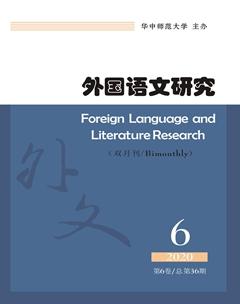
外国语文研究
2020年6期
关键词:翻译
解村
内容摘要:莎士比亚戏剧中占大比例的诗体,尤其是其中的素体诗(blank verse)在汉译中应被处理为何种形式,在百年译莎史中是一个争论不休的焦点问题。诸多不同流派中,独具特色的“词曲体”译法时常被简单化地理解为一种“美化加工”(孙大雨语)。本文试梳理莎士比亚诗体汉译的探索之路,并在该背景下分析词曲体译莎的两位代表人物朱文振和辜正坤翻译策略的理论合理性。
关键词:莎士比亚;翻译;词曲体;朱文振;辜正坤
Abstract: How to translate the poetic forms, especially the blank verses in Shakespearean plays into Chinese has been a controversial topic throughout the history of Shakespeare play translation in China. Of all the different methods, the “Ci & Qu Style” translation is a distinctive one yet it has been simplistically considered to be “rhetorical” by some scholars. This essay tries to outline the experiments and exploration on the poetic forms in the Chinese translations of Shakespearean plays, and in this context, aims to demonstrate the theoretical validity of Zhu and Gus “Ci & Qu Style” translation strategy.
Key words: Shakespeare; translation; the Ci & Qu Style; Zhu Wenzhen; Gu Zhengkun
一、引言
1903年,上海達文书社出版译自兰姆姐弟《莎士比亚故事集》(Tales From Shakespeare)的《澥外奇谭》(一作《海外奇谭》)。一年之后,林纾同样以兰姆姐弟之作为底本,与魏易合译,由商务印书馆出版了《英国诗人吟边燕语》。两部《莎士比亚故事集》的文言译本可谓莎士比亚汉译之旅的肇端,而第一部真正完整的莎士比亚剧本的汉译则是由1921年《少年中国》杂志刊载的田汉翻译的《哈孟雷特》。莎剧汉译至今已逾百年,百年之间,不同译本相继迭出,有名可考的译者多达五十余人,其中较有影响力的有朱生豪、梁实秋、曹未风、孙大雨、卞之琳、方平、辜正坤等人。
在风格各异的莎士比亚译者之中,朱文振的仿戏曲体译法和辜正坤的词曲风味体译法可谓自成一格,由于“词”与“曲”两种文体的亲缘性,以及作为翻译风格的边界模糊性,我们不妨将它们统称为“词曲体”。二人相似的翻译策略选择并非完全出于个人化的文墨挥洒,实则各自有其相应的历史语境和理论支撑。……
登录APP查看全文
猜你喜欢
校园英语·上旬(2016年10期)2016-11-16 19:19:34
校园英语·上旬(2016年10期)2016-11-16 17:54:57
人间(2016年28期)2016-11-10 23:42:36
知音励志·社科版(2016年9期)2016-11-09 07:18:06
知音励志·社科版(2016年8期)2016-11-05 05:40:54
知音励志·社科版(2016年8期)2016-11-05 03:53:33
人间(2016年26期)2016-11-03 18:34:20
名作欣赏·中旬刊(2016年9期)2016-10-25 15:03:03
商场现代化(2016年22期)2016-10-18 19:04:45
考试周刊(2016年77期)2016-10-09 10:36:47